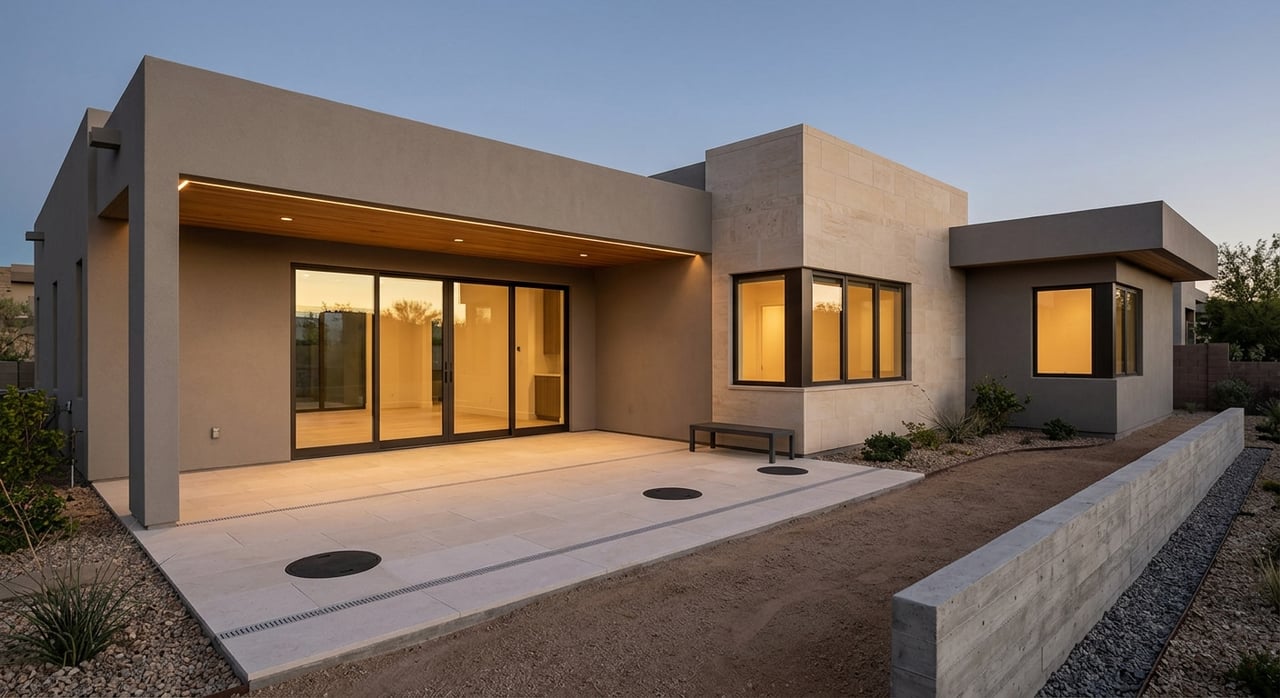
Buying land in Veyo can feel exciting at first glance. You see views, open space, and the chance to build something that fits the way you want to live. But in this part of Washington County, a beautiful parcel is not the same thing as a buildable parcel, and knowing the difference can save you time, money, and frustration. In this guide, you’ll learn what to check before you buy, what can affect whether you can build, and how to plan your next steps with more confidence. Let’s dive in.
Why Veyo Land Needs Careful Planning
Veyo is a rural community in Washington County along State Highway 18 between St. George and Enterprise, which helps explain why many buyers are drawn to the area’s open feel while still wanting access to St. George-area amenities. According to the county’s Veyo community plan, that setting is part of what makes the area appealing.
What matters most, though, is not just the setting or the list price. In Veyo, land feasibility often comes down to zoning, water, septic, and access. Washington County’s current planning materials repeatedly tie development potential to those issues, especially in rural areas where utility service and site conditions can vary from parcel to parcel.
Start With Zoning and GIS
Before you think about house plans, start by confirming what the parcel is actually zoned for. Washington County has a zoning information page with a dedicated Veyo area map, and that is one of the best first stops when you are evaluating land.
A Veyo mailing address does not tell you exactly what a parcel can support. The county uses several zoning districts, including agricultural, residential-agricultural, residential estate, forest residential, single-family residential, commercial, and industrial zones, and each district can come with different lot size and use rules. That means two parcels that look similar online may have very different development options.
It also helps to review the county’s GIS mapping tools. GIS layers include parcels, zoning, streams, and flood zones, which can help you spot red flags early and avoid making assumptions based only on listing photos.
Water and Septic Are the Big Tests
In Veyo, the biggest buildability questions usually come down to water and wastewater. Washington County describes itself as Utah’s most arid and drought-prone county, and its current water element says residential development in the unincorporated county is limited by septic density requirements and the ability to prove access to culinary water.
That is a major point for buyers. A parcel may look perfect on paper, but if it cannot satisfy water-provider requirements or onsite wastewater standards, it may not be ready for the home you have in mind.
Why septic density matters
One of the clearest numbers in the county materials is this: the current septic-density table lists the Veyo area at 84 acres per septic. That does not mean every buyer must purchase exactly 84 acres to build. It does mean wastewater capacity is a serious constraint in the area, and parcel-specific approvals still matter.
If you are asking, “How much land do I need in Veyo?” the practical answer is that zoning, water approval, and septic feasibility all shape that answer. The county’s water policies make it clear that acreage alone is not enough to guarantee a homesite.
What culinary water means for your lot
The county also states that it does not directly provide utility services like water. Instead, service may come from the Washington County Water Conservancy District or smaller districts and companies, including Veyo Culinary Water Assn. The county’s water element says new development requires consultation with the presiding water authority and a will-serve letter.
That means one of your earliest calls should be to the relevant water provider. You want to know whether service is available, what connection requirements may apply, and what documentation will be needed before you move too far into due diligence.
Can you use a well?
Possibly, but only if the required conditions are met. According to the Southwest Utah Public Health septic checklist, a property using non-public water may need proof of water rights, a protection zone, owner approval in some cases, and documentation showing adequate water quantity, pressure, and quality.
For land outside a platted subdivision, the county water element also says owners need enough acreage to satisfy septic density requirements and proof of at least one Equivalent Domestic Unit if they plan to drill a well. In other words, a well is not a shortcut around the approval process.
Septic Approval Comes Early
If public sewer is not available, onsite septic design becomes a key part of your planning. Southwest Utah Public Health states that Utah requires wastewater disposal through an approved sewer connection or onsite septic system, and that soil and percolation testing must be completed before a septic system is designed.
Those tests are not casual estimates. The health department says a certified individual or engineer must perform the testing and design. The septic systems guidance and checklist also require items such as a plot plan, soil analysis, and proof of water service or qualifying private water rights.
This is one reason I encourage buyers to think beyond the listing description. If a seller or marketing flyer says a parcel is ideal for a custom home, you still need the underlying approvals and site work to support that claim.
A Build-Ready Lot May Not Be Ready Today
Many buyers assume that if land is for sale, it is ready to build on right away. In Veyo, that is not always the case. The county’s process ties building to zoning review, water-provider approval, septic feasibility, and permit submission.
Washington County says building permit applications are submitted electronically through its online system, and the county’s inspection page notes that inspections require 24-hour notice after work is complete and ready to inspect. The same page also states that a covered 4-yard dumpster and a portable toilet must be on site during all phases of construction.
Those may sound like later-stage details, but they are part of the larger point: land should not be treated as truly build-ready until the basic approval path is clear.
Plan the Right Pre-Closing Team
For a rural land purchase, your due diligence team matters almost as much as the parcel itself. Based on the county and health-department requirements, a prudent team often includes:
- County planning staff
- The local water provider
- A certified septic designer or onsite wastewater professional
- A surveyor or civil engineer
Each of these parties can help answer a different feasibility question. When those answers come early, you are in a much better position to decide whether to move forward, renegotiate, or walk away.
Check Access, Flood Risk, and Fire Planning
A homesite is not just about where the house fits. It is also about how you reach it, how water moves across the property, and how the site functions in an emergency.
The county’s GIS tools include streams and flood zones, so drainage and flood review should be part of your early evaluation. This is especially important for rural parcels near washes, low points, or irregular terrain where runoff patterns may affect building areas.
Wildfire planning also matters in Veyo. Washington County’s community fire planning document specifically covers Central, Brookside, Veyo, and Gunlock, and it emphasizes evacuation routes, assembly areas, emergency alerts, defensible space, and fuel reduction.
That has practical implications for buyers. Road access, driveway design, turnaround space, and defensible-space planning are not just construction details. They are part of choosing the right parcel in the first place.
What Makes a Good Veyo Parcel
In my experience, the best rural parcels are not always the ones that look the most dramatic in photos. The strongest parcel is usually the one that clears the biggest hurdles in the fewest steps.
In Veyo, that often means a lot or acreage that has:
- Clear zoning that supports your intended use
- A realistic path to culinary water approval
- Septic feasibility supported by testing and site conditions
- Functional access from the road to the homesite
- Early review of drainage, flood, and wildfire considerations
When those pieces line up, you can move into design and budgeting with a lot more confidence.
A Smart Land-Buying Game Plan
If you are thinking about buying land in Veyo, use this order of operations before you commit:
- Review parcel zoning and county GIS data.
- Confirm the parcel’s legal access and basic site layout.
- Contact the water provider about service availability or required documentation.
- Investigate septic feasibility, including soil and percolation testing requirements.
- Review flood, drainage, and wildfire-related site factors.
- Talk with county planning staff about the likely permit path.
- Make your offer with enough due diligence time to verify the details.
This process may feel slower than buying an existing home, but it is often what protects you from expensive surprises later.
If you want help identifying land opportunities in Southern Utah and sorting through the real-world questions behind a listing, working with a local advisor can make the process much more efficient. You can connect with Dallas Curtis to talk through parcels, due diligence, and what to watch for before you buy.
FAQs
How much land do you need to build in Veyo, Utah?
- Washington County’s current water element lists the Veyo area at 84 acres per septic, but the real answer depends on parcel-specific zoning, water approval, and septic feasibility.
Can you use a private well on land in Veyo, Utah?
- Possibly, but you may need proof of water rights, a protection zone, and documentation showing adequate water quantity, pressure, and quality, along with other health-department requirements.
Is land in Veyo, Utah build-ready when you buy it?
- Not always. A parcel may still need zoning confirmation, water-provider approval, septic approval, and county permit review before you can build.
Where do you check zoning for a Veyo, Utah parcel?
- Washington County provides zoning information and a Veyo area map that can help you start parcel-level research.
What site conditions should you review before buying land in Veyo, Utah?
- You should review access, drainage, flood zones, streams, and wildfire-related factors such as evacuation routes, driveway design, and defensible space planning.