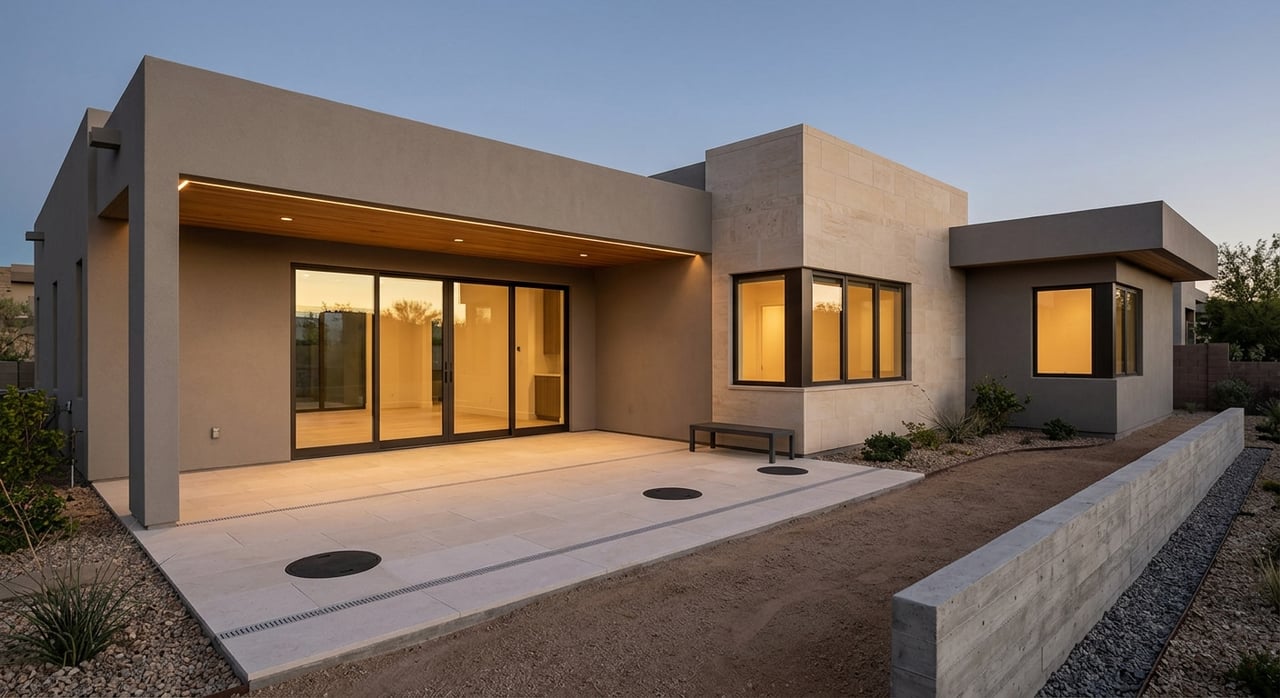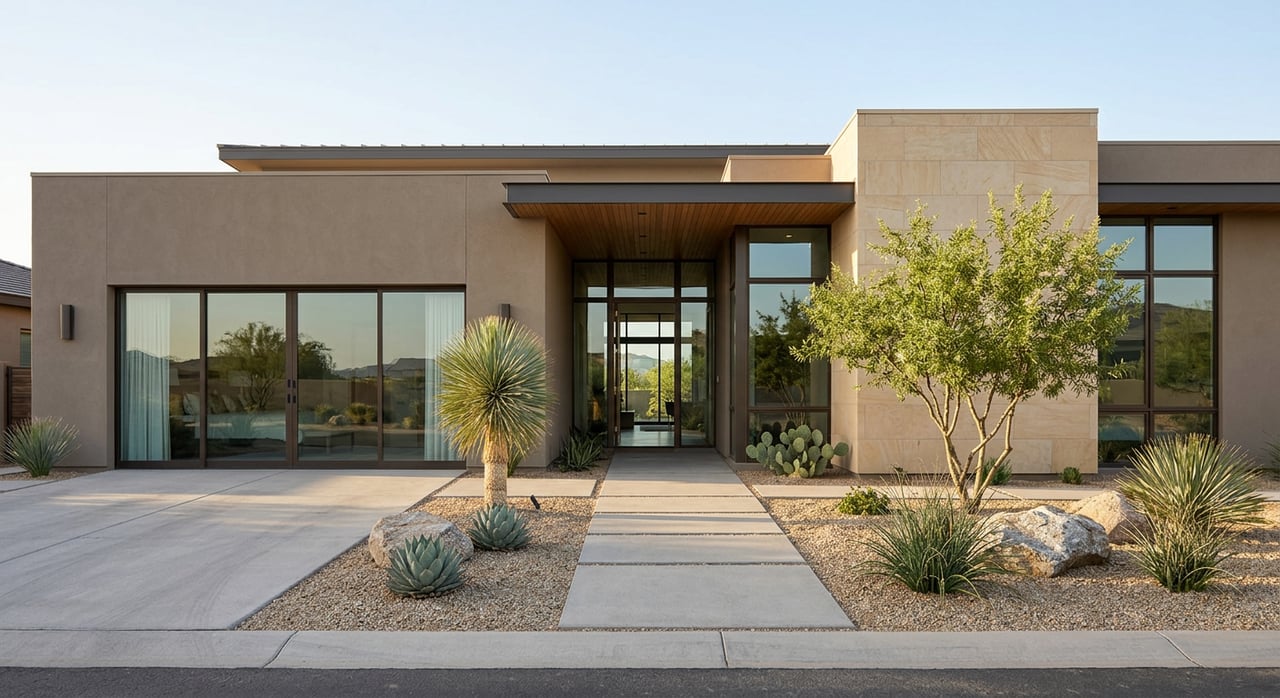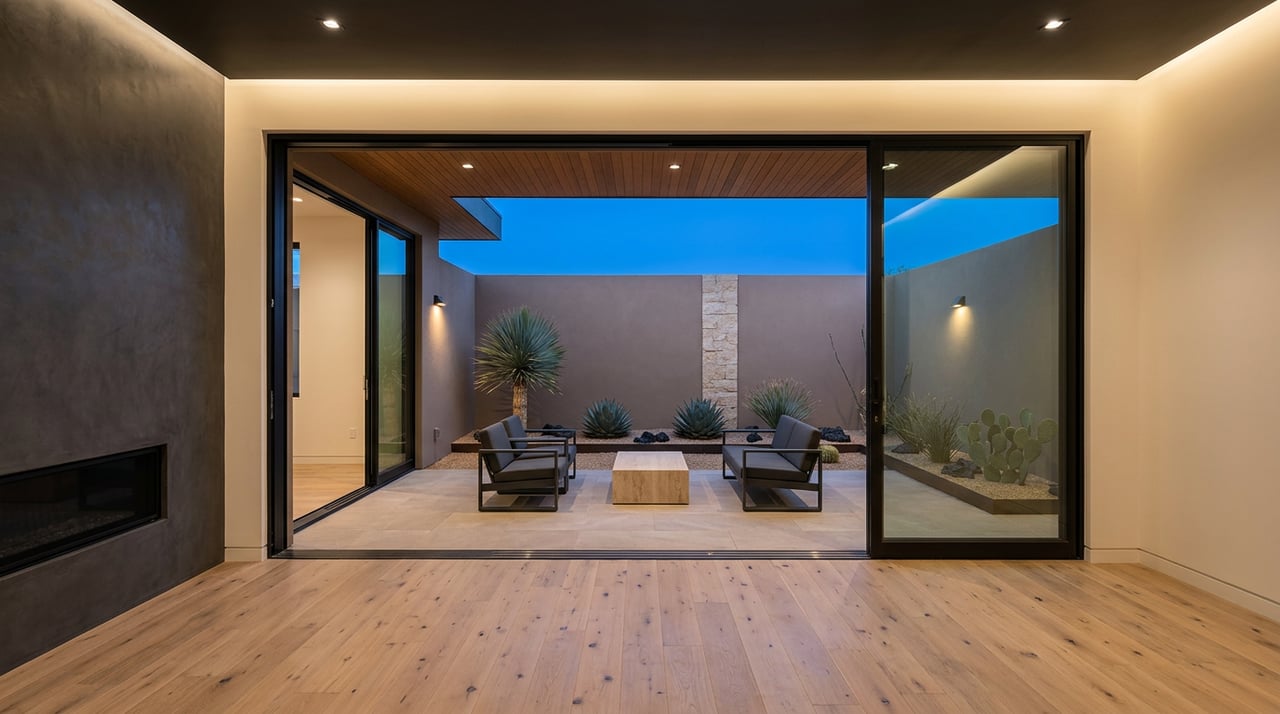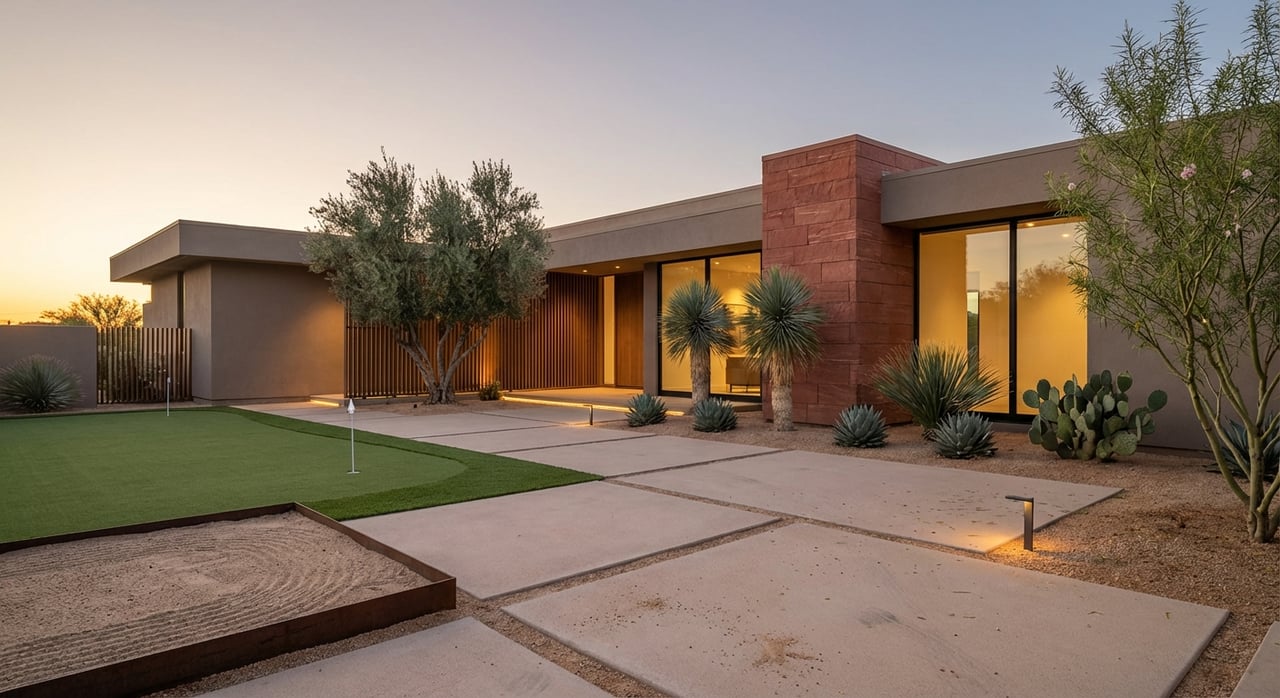
Should you buy a move-in-ready home or build exactly what you want in St. George and Washington, UT? It is a big decision, and the Southern Utah market adds a few twists. You want the right location, a smart investment, and a clear timeline. In this guide, you will compare costs, timing, risks, and lifestyle tradeoffs so you can choose with confidence.
You will get a simple framework that matches your goals to the right path, plus a local checklist for lots, utilities, and permits. Let’s dive in.
Quick answer: buy vs. build
If your priority is speed, predictable costs, and established neighborhoods, buying resale often wins. If your priority is customization, energy efficiency, and dialing in a lot with views or a single-level layout, building can be the better fit.
- Choose resale if you want faster move-in and simpler financing.
- Choose a new build if you want layout control, modern systems, and lot-specific benefits.
- Consider a builder spec or inventory home as a middle ground on timeline and features.
What is unique about Southern Utah
The St. George area has grown for decades, driven by in-migration, outdoor lifestyle, and retiree demand. That growth raises competition for both resale homes and lots. Inside city limits, infill lots are limited and often cost more. On the fringes and in nearby towns like Washington, Hurricane, Santa Clara, and Ivins, you will see more new subdivisions and master-planned options.
Production builders are active and often offer spec or inventory homes. That can shorten your timeline compared with a fully custom build. Many local buyers look for low maintenance, energy efficiency, and accessible layouts. If you want specific orientation or views, a custom lot can deliver, but expect a premium.
Costs: how they compare
Building cost buckets
When you build, you control the design, but you also take on more categories of cost and risk. Plan for:
- Land acquisition. Lot prices vary by location, views, and utility access. Infill lots in St. George tend to cost more. Outlying or unincorporated parcels can cost less but may bring higher site work.
- Site development and prep. Grading, rock excavation, retaining walls, drainage, and utility extensions. Hillside or cliff-edge lots can raise these costs.
- Foundation and engineering. Sloped sites often need deeper foundations or retaining structures.
- Construction hard costs. Framing, roofing, mechanicals, insulation, finishes. Square footage and material selections drive the total.
- Soft costs and fees. Permits, impact and tap fees for water and sewer, inspections, architectural and engineering fees, and any HOA or architectural review.
- Interest and holding costs. Construction interest during the build, interim financing fees, property taxes, and carrying costs.
- Landscaping and exterior improvements. Irrigation, driveways, patios, and fencing are easy to miss in early budgets.
- Contingency. Build in 5 to 15 percent for change orders and unknowns.
Resale cost buckets
Buying an existing home generally shifts more cost into the purchase price and reduces soft costs. Plan for:
- Purchase price, closing costs, and any immediate repairs or updates.
- Possible retrofits for older systems, such as HVAC, roof, windows, or appliances.
- The benefit of known utility and maintenance history, which can reduce uncertainty.
Financing and loan differences
Construction loans work differently than traditional mortgages. Expect:
- A construction-to-permanent loan or separate construction and permanent loans.
- Interest-only draws during the build and conversion to a mortgage upon completion.
- Stricter standards for down payment and documentation. Lenders often require detailed budgets, contracts, builder qualifications, and higher equity. A 20 percent or higher total equity position is common.
Resale purchases fit easily into many conventional, FHA, or VA options, which can lower the up-front cash requirement and streamline approval. Ask local lenders about current products in Southern Utah.
Pricing transparency and negotiation
With resale, you can often negotiate on price, timing, and concessions depending on market conditions. With production builders, base pricing is usually firm, but you can negotiate lot premiums, upgrades, and incentives. Custom builders may not move much on price, though your design choices will drive the total.
Timelines and process
Typical timelines
- Resale purchase. Most financed deals close in 30 to 45 days after acceptance. You can usually move in right after closing.
- New construction, spec or inventory. If the home is nearly complete, you may close in a few months. If earlier in the build, plan for several more months.
- Custom build. From lot purchase through design, permitting, and construction, expect many months and possibly more than a year, depending on scope and approvals.
Key steps for a successful build
- Lot due diligence. Confirm zoning, utilities, easements, HOA rules, and any architectural review. Order a soils or geotechnical report and verify water and sewer availability.
- Design and engineering. Move from concept to plans with the team. Timing depends on complexity.
- Permitting. Submit to the city of St. George, Washington City, or Washington County depending on jurisdiction. Processing times can vary.
- Construction and inspections. Groundwork, framing, mechanicals, and finishes. Plan for inspection checkpoints.
- Final approvals. Certificate of occupancy and lender conversion to your permanent loan.
Local factors that affect time and cost
- Steep or rocky sites that need blasting, retaining, or extra engineering.
- Long utility runs or infrastructure extension to reach the lot.
- Environmental constraints, such as washes or flood zones.
- Seasonal weather and contractor schedules that can shift timelines.
Location and lot availability
Where lots are found
Inside St. George, buildable infill lots are limited and often command a premium. Many new subdivisions sit on the urban edge and in nearby cities like Washington, Hurricane, Santa Clara, and Ivins. Rural or acreage parcels exist in unincorporated Washington County, but they typically involve higher site costs and different utility setups.
Utilities and water
Always confirm water and sewer availability with the relevant city or county, and review water district rules for new connections. In rural areas, you may need septic, which requires soil testing and system design. Expect impact and tap fees for utilities, roads, and other public services. Water availability can influence approval and timing, so verify early.
Zoning, setbacks, and CC&Rs
Zoning controls density, height, lot coverage, and potential for accessory dwelling units. Master-planned and HOA communities often add design guidelines and architectural review, which protect neighborhood standards but add steps and time. Read CC&Rs carefully before you commit to a lot.
Lifestyle, maintenance, and resale
Customization and comfort
New builds give you the best control over layout, orientation, and features like efficient HVAC, EV charging, or solar-ready wiring. If you want a single-level plan or a view-friendly orientation, building can deliver that. The tradeoff is a longer process and more decisions to manage.
Maintenance and energy
New homes typically follow modern codes, which can mean lower maintenance in the early years and improved energy performance. Older homes can be excellent too, but you may be closer to system updates. A thorough inspection helps you budget.
HOA rules and lifestyle
Many newer communities in Southern Utah have HOAs that set rules on landscaping, materials, and parking. Some buyers like the predictability. Others prefer fewer restrictions. Weigh those tradeoffs against your lifestyle.
Risks and how to avoid them
Building risks to plan for
- Budget creep from change orders or unexpected soil and rock conditions.
- Longer timelines due to permits, weather, or labor.
- Utility or water limitations that require plan changes.
- Builder risk. Verify licensing, insurance, references, workmanship, and warranty terms.
Resale risks to plan for
- Hidden issues with roof, foundation, plumbing, or electrical. Hire reputable inspectors and request disclosures and maintenance records.
- Higher near-term energy or retrofit costs with older systems.
- Title and boundary surprises. Use a thorough title search and consider a survey.
Due diligence checklist
- Verify zoning and permitted uses with city or county planning.
- Confirm water and sewer availability, tap fees, and any connection rules.
- Order a soils or geotechnical report for build lots. For resale, get a foundation opinion if site conditions are uncertain.
- Review CC&Rs, HOA fees, and architectural guidelines.
- Get multiple bids or a detailed, fixed-price build contract with a clear change-order process.
- Confirm builder warranty terms and timelines.
- For resale, order a full home inspection and review utility bills and past repairs.
- Work with a local agent who understands new construction and a lender experienced with construction-to-permanent loans.
Decision framework to choose your path
Use these prompts to match your goals to the right option:
- Need a predictable move-in within weeks or a few months. Favor resale or a near-complete spec home.
- Want exact design, accessibility, or a specific lot and view. Favor building, and plan for longer timelines and more complexity.
- Tight on down payment or prefer simpler financing. Favor resale with conventional loan options.
- Want lower maintenance and better early energy performance. Favor new construction.
- Need a location in an established neighborhood close to services. Favor resale.
- Comfortable managing a project and paying for customization. Favor building.
What to do next
If you are leaning toward resale, target neighborhoods that fit your lifestyle and timeline, and be ready to act if the right home hits the market. If you are leaning toward building, start with lot due diligence, water and utility checks, and a realistic budget that includes contingency.
You do not have to figure this out alone. A local guide who understands both resale and new construction can save you time and money by flagging issues early, connecting you with the right lenders and builders, and negotiating the details that matter. If you want clarity on lots, permits, builder options, or current resale inventory in St. George, Washington, and nearby communities, reach out to Dallas Curtis. Together, you can map the path that fits your goals and timeline.
FAQs
How long does building a home in St. George usually take?
- Plan for many months and possibly more than a year from lot purchase through design, permitting, and construction, depending on scope and approvals.
What extra costs should I expect when building in Southern Utah?
- Budget for site work, impact and tap fees, permits, design and engineering, landscaping, interest during construction, and a 5 to 15 percent contingency.
How do construction loans differ from a regular mortgage?
- Construction loans use interest-only draws during the build and convert to a permanent mortgage at completion, often with stricter down payment and documentation.
Where is lot supply better for custom homes near St. George?
- Infill lots within city limits are limited and often pricier, while more options exist on the urban edge and in nearby cities like Washington, Hurricane, Santa Clara, and Ivins.
What should I check for water and sewer before buying a lot?
- Confirm municipal water and sewer availability, tap fees, and connection rules, or plan for septic and required soil testing in rural areas.
How much can I negotiate with builders compared to private sellers?
- Resale sellers may negotiate price and concessions, while production builders often hold base prices but may offer incentives, upgrades, or lot premium flexibility.
What builder warranties or protections should I require?
- Verify builder licensing and insurance, request references, and get clear warranty terms for workmanship and systems, along with a detailed scope and change-order process.